

arch mirror led
The Fascinating World of Large Granite Blocks Granite is one of the most fascinating and durable materials on Earth, renowned for its beauty, strength, and versatility. Large granite blocks, in particular, have garnered interest for their monumental size and the significant roles they play in various industries, architecture, and even art. This article will explore the unique characteristics of large granite blocks, their extraction process, applications, and their significance in both history and modern society. Characteristics of Granite Granite is an igneous rock composed mainly of quartz, feldspar, and mica. Its formation occurs over millions of years as magma cools slowly beneath the Earth’s surface. This slow cooling process allows large crystals to form, giving granite its distinctive granular texture. Large granite blocks often exhibit a range of colors, from deep blacks and grays to vibrant pinks and whites, making them not only functional but also aesthetically pleasing. The durability of granite stems from its hardness, which allows it to withstand weathering and erosion, contributing to its longevity in outdoor applications. Extraction and Processing The extraction of large granite blocks involves a meticulous and labor-intensive process. Quarries, often located in mountainous regions, are the primary sites for granite harvesting. Workers utilize specialized equipment such as diamond wire saws, which can cut large blocks with precision. The process begins with drilling holes into the granite to create perforations along predetermined lines. Once the lines are established, the diamond wire saw slowly cuts through the rock, resulting in massive blocks of granite weighing several tons. After extraction, these massive blocks undergo a series of processes to prepare them for use in construction or other applications. This includes trimming, polishing, and sometimes shaping the granite to fit specific designs or structures. The final product is a stone that is not only robust but also elegant, showcasing the natural beauty of the granite itself. Applications of Large Granite Blocks large granite blocks The applications for large granite blocks are vast and varied. In architecture and construction, these blocks are often used for creating durable facades, monuments, and memorials. Famous structures like the Egyptian pyramids and the statues at Mount Rushmore exemplify the versatility of granite through their monumental scales and resilience. In urban landscapes, large granite blocks serve as key components in public parks, fountains, and seating areas. Their ability to withstand harsh weather conditions makes them ideal for outdoor use, enhancing both functionality and aesthetic appeal. Furthermore, granite is commonly employed in interior design, with large blocks being used for countertops, flooring, and decorative features in homes and commercial establishments. In addition to construction, large granite blocks also play a critical role in the art world. Sculptors often use these large chunks of granite to create impressive sculptures and installations. The process of transforming a rough granite block into a fine work of art requires immense skill and artistry, showcasing the beauty and challenges inherent in working with such a sturdy material. Historical Significance Historically, large granite blocks have been integral to various cultures. Ancient civilizations often used granite to build temples, tombs, and other significant structures that have stood the test of time. For instance, many of the ancient stone monuments in India, such as the temples in Hampi, are made of granite that has remained intact for centuries. These sites not only highlight the architectural feats of our ancestors but also serve as a testament to the material's durability and significance in historical contexts. Conclusion Large granite blocks are more than just massive stones extracted from quarries; they represent a blend of natural beauty, functionality, and historical significance. Whether in monumental architecture, modern construction, artistic endeavors, or urban landscaping, granite continues to captivate and inspire. As we look to the future, the ongoing exploration and innovative uses of granite will undoubtedly pave the way for new applications, ensuring that this ancient material remains relevant in our ever-evolving world. Understanding the role that large granite blocks play in our lives reminds us of the enduring power of nature and the creativity of humankind.
about
arch mirror led
Understanding Spline Gage Calibration A Comprehensive Guide In the realm of precision manufacturing and quality control, the importance of accurate measurement cannot be overstated. Among the various tools employed by engineers and inspectors, spline gages play a crucial role in ensuring the reliability and performance of machined components. However, to maintain their accuracy, spline gages must be properly calibrated. This article discusses the fundamental aspects of spline gage calibration, including its importance, the calibration process, and best practices to achieve effective results. What is a Spline Gage? A spline gage is a measuring tool designed to evaluate the form and dimensions of spline profiles, which are often used in mechanical components such as gears, shafts, and couplings. Splines are key features that enable the transmission of torque between two parts without the risk of slippage. Accurate measurement of these profiles ensures that the components will fit together properly, minimizing wear and enhancing functionality. The Importance of Calibration Calibration is the process of verifying and adjusting the accuracy of measurement tools against a known standard. For spline gages, calibration is essential for several reasons 1. Accuracy Regular calibration ensures that spline gages are providing precise measurements, which is critical for maintaining the quality of manufacturing processes. 2. Compliance Many industries are governed by strict regulatory standards that require regular calibration of measurement tools to ensure compliance and maintain certifications. 3. Cost Efficiency Inaccurate measurements can lead to defective products, increased waste, and higher costs. Calibration minimizes these risks by ensuring that all measurements are correct from the outset. The Calibration Process Calibration of spline gages typically involves several key steps 1. Preparation Before beginning the calibration process, it is important to gather all necessary equipment, including certified calibration standards, measurement devices, and documentation forms. The environment should be controlled to minimize factors like temperature fluctuations and vibrations that could affect measurements. spline gage calibration 2. Verification of Standards Calibration standards, which are precision tools with known dimensions, must be verified. This ensures that the standards themselves are accurate and can be relied upon for calibrating the spline gage. 3. Measurement The spline gage is then measured against the calibration standards. This may involve using a comparator or other measuring devices to assess the gage's dimensions and profile accuracy. 4. Adjustment If discrepancies are found between the spline gage measurements and the calibration standards, adjustments must be made. This may involve mechanical adjustments or recalibrating the tool to align with the standard’s specifications. 5. Documentation Once the calibration process is complete, it is crucial to document the results thoroughly. This documentation should include details of the calibration procedure, any adjustments made, and the final measurements. Proper records will help maintain compliance and provide traceability. Best Practices for Effective Calibration To achieve reliable results during spline gage calibration, consider the following best practices - Regular Calibration Intervals Establish a schedule for regular calibration based on usage patterns and industry standards. Frequent calibrations can help catch inaccuracies before they affect production quality. - Train Personnel Ensure that all personnel involved in the calibration process are well-trained in measurement techniques and aware of the importance of proper calibration procedures. - Use Environmental Controls Where possible, perform calibrations in a controlled environment to reduce the chances of external factors influencing the results. - Utilize Advanced Technologies Consider investing in automated calibration systems that can improve accuracy and reduce human error in measurement processes. Conclusion In manufacturing and engineering, the precision of measurements plays a pivotal role in product quality and functionality. Calibration of spline gages ensures that these vital tools provide accurate measurements, thus supporting high-quality manufacturing practices. By following the systematic calibration process and adhering to best practices, companies can enhance their operational efficiency, reduce waste, and maintain compliance with industry standards. Ultimately, investing in spline gage calibration is an indispensable step toward achieving excellence in manufacturing.
-

High quality industrial productsagement

High quality industrial products
View Details -

Meet the diverse needs of customers

Meet the diverse needs of customers
View Details -

Strict quality control

Strict quality control
View Details -

Top raw materials

Top raw materials
View Details -

Trusted supplier

Trusted supplier
View Details
Our application


news and information
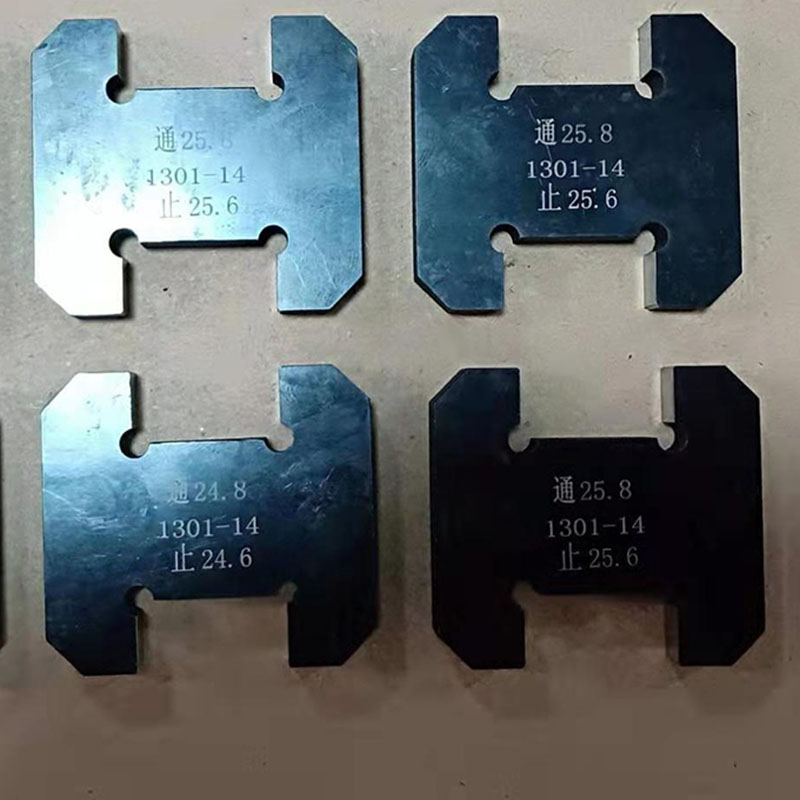
Water valve fails to close properly and leaks persist
Troubleshooting a Water Valve That Won't Shut Off Encountering a water valve that refuses to shut of
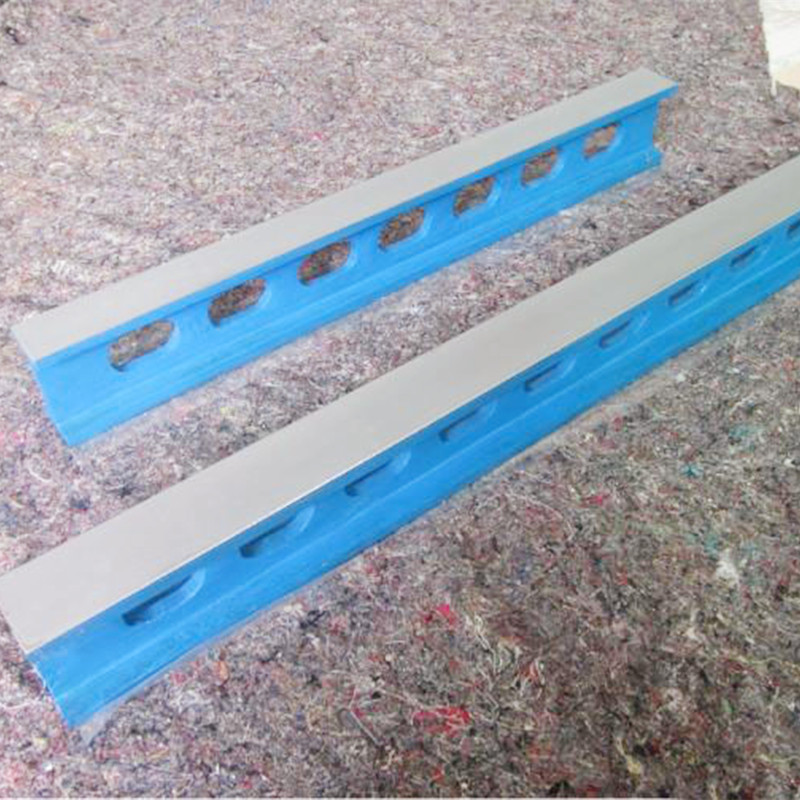
Vérification de la performance des vannes de silencieux pour un fonctionnement optimal
La Valeur du Soupape de Silencieux Un Élément Clé dans les Systèmes Hydraulique La soupape de silen
What Is the Difference Between a Silent Check Valve and a Regular Check Valve_
In the realm of fluid dynamics, valves play a crucial role in controlling the flow of liquids and ga
 English